After Forever 21: Temu and the Shift in Youth Consumer Culture


The Mall Lost the First Move
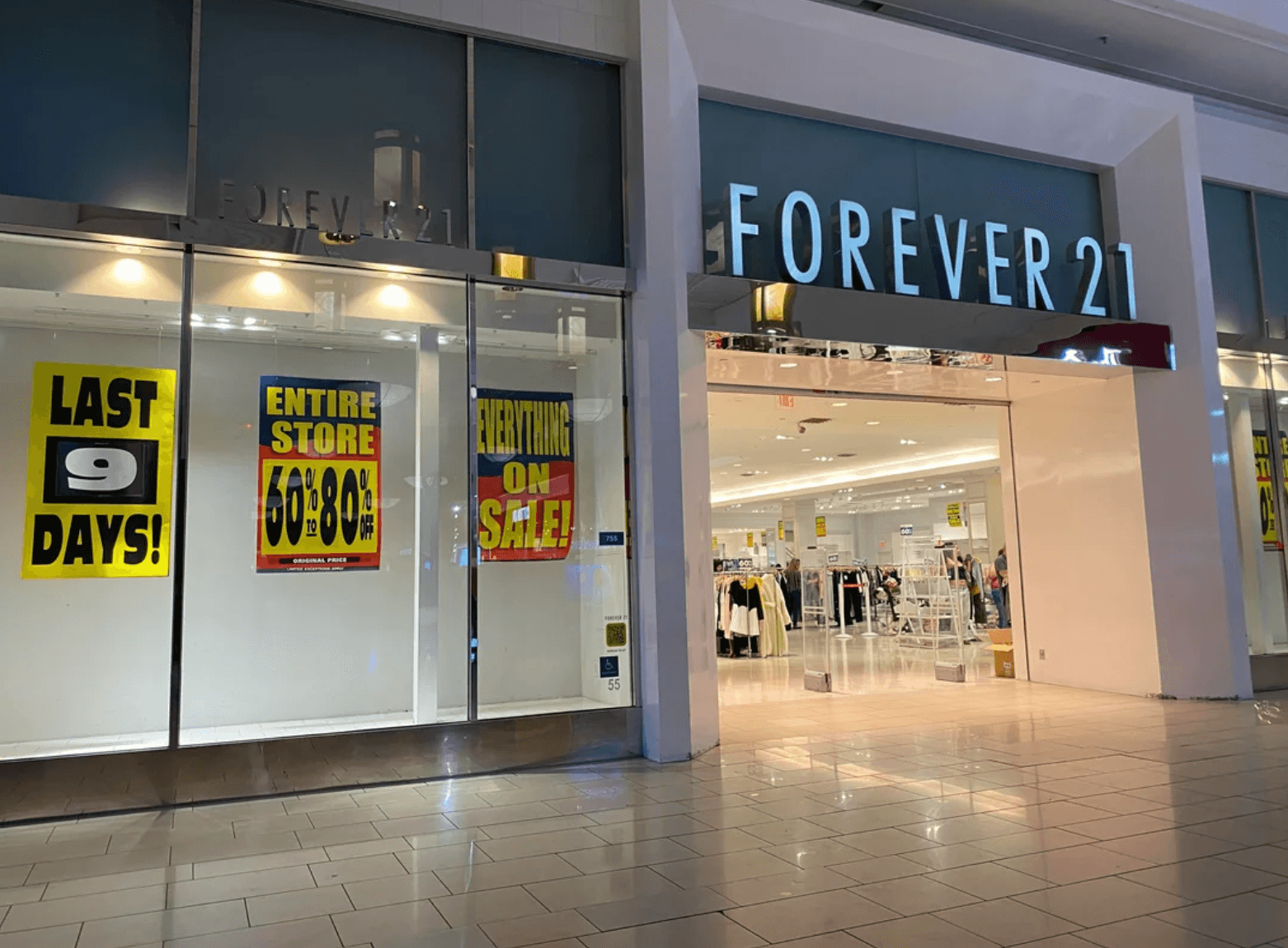
In 2025, I watched a large Forever 21 store in a New Jersey mall go through its final clearance cycle. At first, there were discount signs near the entrance. Then the racks started thinning out. After a few visits, the store was almost empty.
It was strange because Forever 21 was not a small or unfamiliar name. It was one of those mall brands that American shoppers grew up seeing. But a brand can be familiar and still stop being useful.
A young American shopper told me she had known Forever 21 for as long as she could remember. Still, when she wanted clothes, bags, accessories, or small lifestyle items, she rarely thought about going there. She opened SHEIN or Temu.
She showed me a Y2K-style pink sequined crop top she bought from one of the apps. It seemed too trend-specific to justify paying much for, but perfect for a party, a photo, or one version of herself she wanted to try. She also had a method. She checked customer photos, negative reviews, fabric descriptions, sizing comments, and whether product images looked too edited. She knew the quality could be uneven, so she had learned how to shop around that risk.
The crop top made the platform logic easier to see. For a trend-specific item, she was not looking for a long-term brand relationship. She was looking for enough evidence on the listing to make a low-risk bet. Temu and SHEIN successfully shifted the basis of trust from brand familiarity to listing-level judgment, where photos, reviews, sizing notes, delivery windows, and return policies matter more than the name on the storefront. She did not need to trust the whole platform. She only needed to decide whether this one listing was worth the risk.
Temu Turned Low Price Into Search Infrastructure
Temu’s advantage starts with SKU density and search. The app makes almost any small desire searchable. A phone case, a hair clip, a dorm organizer, a party top, all of it can be compared and bought at a price low enough to forgive some uncertainty. That is different from a mall store, where assortment is limited by floor space and inventory bets made months earlier.
Forever 21’s decline fits that shift. Its U.S. business filed for bankruptcy again in 2025, and AP reported that the company faced weaker mall traffic and pressure from Amazon, Temu, and SHEIN. GlobalData’s Neil Saunders said Forever 21’s stores were too large for its current needs and that cheap Chinese marketplaces had eroded its standing.
That diagnosis matches what I saw in the store. Temu and SHEIN did not create every problem Forever 21 had, but they exposed the weaknesses of the old mall model: high fixed costs, limited assortment, slower trend response, and dependence on foot traffic that no longer arrives by default.
The more interesting change is in the way young shoppers use fashion. Many American young people still want to follow trends. They still want the outfit for a party, the bag that matches a look, the dorm-room item that makes a space feel personal, the small accessory that helps them try on a version of themselves. What changed is the speed and volume of trends hitting them, while their budgets stayed tight.
TikTok, Instagram, YouTube hauls, Reddit, and creator content keep showing them new looks. Temu and SHEIN meet that pressure with deep assortments, low price points, and enough customer photos and reviews to make a small purchase feel safe enough.
Affordability here is not only about saving money. For Zoomers, the younger Gen Z shoppers, a $5 accessory or a $12 top is not only a cheap product. It is a low-cost experiment. They can try a color, an aesthetic, a silhouette, or a social identity without committing much money. McKinsey has described Gen Z consumption as a form of self-expression, and Vogue Business has written about how hauls give young shoppers fit, quality, and styling information before they buy. That explains why these platforms work so well. They fit a shopping process built around scrolling first, searching second, and using reviews to manage risk.
The New Value Shopper Is Not Naive
The Reddit threads are messy, but they show the trade-off in plain language. In one Reddit thread about fast fashion and affordability, users argued that some people buy SHEIN because sustainable or size-inclusive alternatives are too expensive or hard to find. One commenter wrote that “being on trend” can matter socially and professionally, especially when clothing options are limited. Another said SHEIN was the first place where she found stylish clothes that fit her.
These comments explain the emotional math behind the purchase. Cheap fashion is not always about carelessness. Sometimes it is about access.
At the same time, the criticism is real. On Reddit, one commenter wrote, “As long as Temu exists ‘made in China’ will always be associated with bad quality.” Another wrote, “You get what you pay for,” and blamed sellers who market very cheap products as if they were premium. Pew found years ago that many Americans associated Chinese products with safety risks, and Gallup’s 2025 survey shows that some Americans buy U.S.-made products because they believe they are higher quality or more durable.
This is the trade-off I see for Chinese brands. Temu and SHEIN are mostly good for Chinese brands because they put Chinese supply chains directly in front of American consumers. They proved that U.S. shoppers will buy from Chinese platforms, download Chinese apps, and build shopping habits around Chinese-made products.
The same visibility can also work against them. If the main Chinese brands Americans encounter are ultra-cheap marketplaces with uneven quality, the old stereotype becomes harder to break. “Made in China” becomes visible, but it becomes visible through the cheapest possible layer of the supply chain. It raises awareness while making trust harder to earn.
Localization Is More Than Translation
Localization is not just English copy or Black Friday media buying. It is merchandising around American life cycles such as back-to-school, dorm move-in, Halloween, spring break, festival season, holiday gifting, and first-apartment shopping. For Temu and SHEIN, it means learning the calendar, the body types, the price psychology, the return expectations, and the content habits of American shoppers. A dorm-storage purchase, a wedding guest dress, and a one-night trend piece do not belong to the same shopping mission.
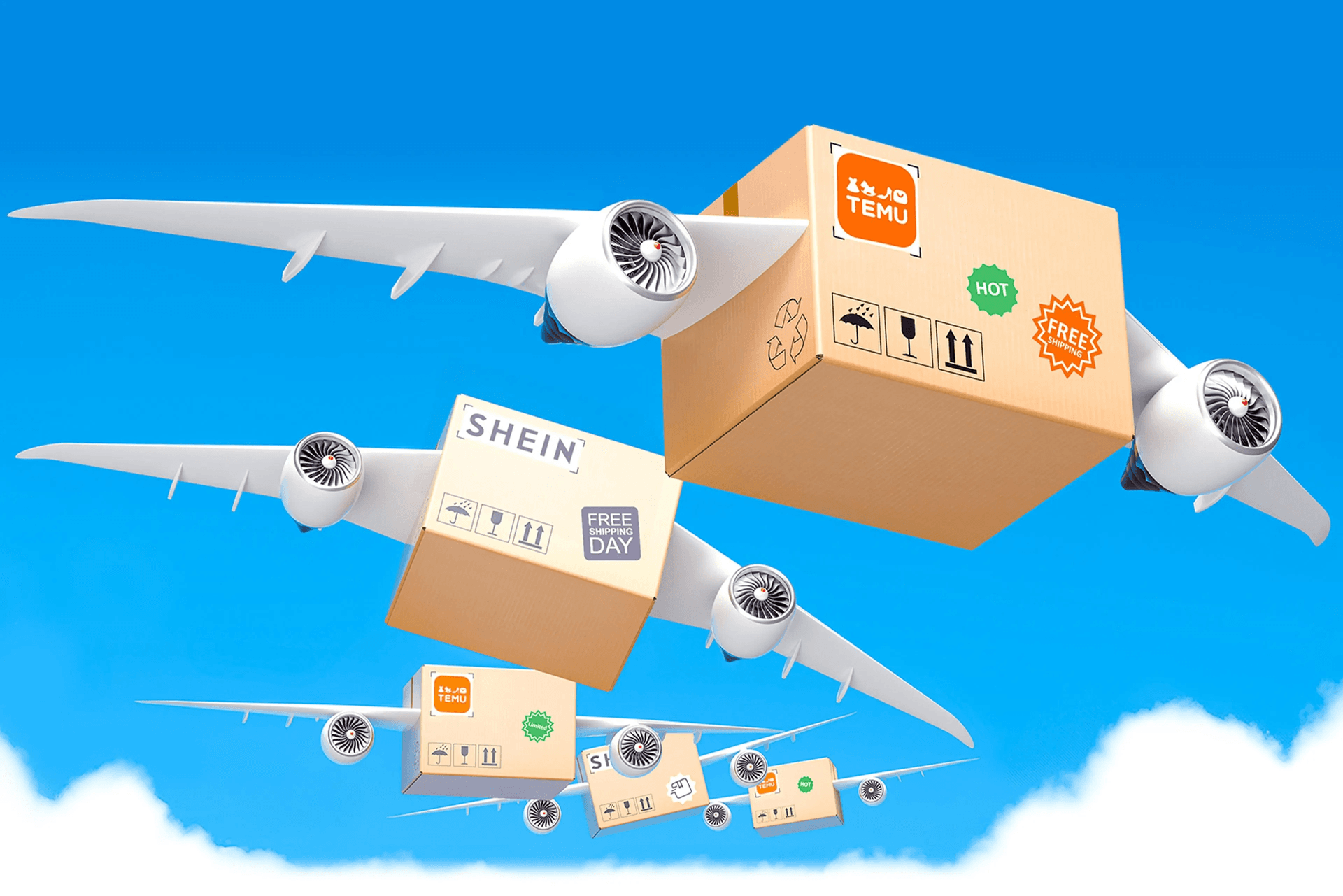
Logistics is part of localization too. After the U.S. ended duty-free de minimis treatment for low-value shipments from China and Hong Kong, Temu pushed more U.S. users toward locally fulfilled products. CNBC reported that Temu had already been increasing sales from local sellers before the policy change. Morning Consult later found that tariff changes hurt Temu’s perceived value, while SHEIN held up better among some groups because apparel still had room for low prices.
In plain terms, American consumers liked the bargain, but they were not willing to ignore shipping time, uncertainty, and price increases forever.
From Cheap Growth to Trust
SHEIN seems to understand this pressure. In a TIME interview, SHEIN executive Donald Tang talked about localization and shortening delivery times. The company has also faced backlash over influencer trips, labor concerns, design-copying accusations, and sustainability. Those controversies are what happens when a low-price platform becomes culturally visible. Once a Chinese platform becomes culturally visible in the U.S., it is judged by more than price.
PDD’s latest numbers make this bigger than one shopping app. In Q1 2026, PDD reported RMB106.2 billion in revenue, with transaction services becoming its largest revenue stream. Management has also been pointing investors back to supply-chain investment. Temu is actually a test of whether Chinese supply chains can move from volume to trust.

The Door Temu Opened
My view is that the rise of Temu and SHEIN is still more benefit than harm for Chinese brands. They opened a door that used to be controlled by American retailers, department stores, and platform middlemen. They gave Chinese manufacturers faster access to demand, faster feedback, and a clearer view of what overseas consumers actually buy.
The harder work starts after the first order. Chinese brands need to stop letting the lowest-priced version of “Made in China” define the whole category. Better materials, clearer sizing, stronger quality control, original design, more honest photos, better returns, and local service are not small details. They are how a low-price purchase becomes a repeat purchase.
The Forever 21 store I saw in New Jersey was almost empty by the end. But American young people did not stop wanting fashion. They did not stop wanting novelty, identity, or a good deal. They just found a new place to look.
For Chinese brands, Temu created the opening. The hard part is making sure the next thing they find is worth trusting.