Free, Fast, Feared: How DeepSeek Spooked Silicon Valley and Split Global Opinion


从爆红到争议:DeepSeek如何刺痛硅谷
Competitive Pressure & Two-Track Business Model
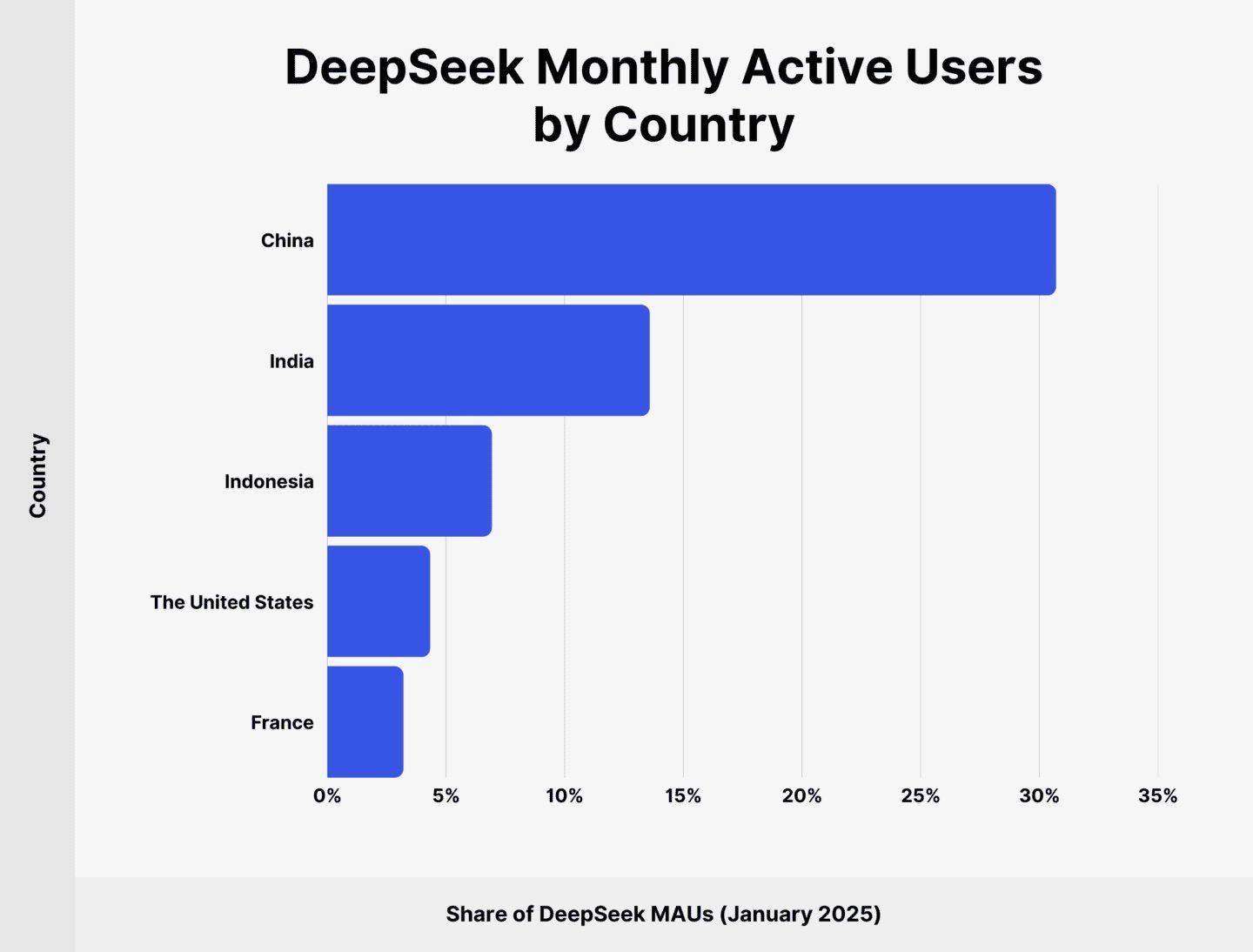
DeepSeek sits in the global AI assistant and LLM market, where “good enough” moved fast. People now expect an assistant to read long documents, write clean drafts, help with code, and stay steady across repeated use. The competitive set spans OpenAI (ChatGPT), Google (Gemini), Meta’s Llama ecosystem, and major Chinese players such as Baidu (ERNIE), Alibaba (Tongyi Qianwen), and Tencent (Hunyuan). What makes DeepSeek strategically distinct is not only performance or price, but the fact that it plays in two arenas at once: a mass consumer assistant, and a developer and organization layer (APIs, integrations, local deployments) where procurement logic and risk tolerance look totally different.
DeepSeek also benefits from a China-specific advantage that goes beyond “it speaks Chinese.” In China, the product tends to fit local institutional realities: schools and organizations often prefer tools that support on-prem or locally controlled deployment, align with local compliance expectations, and match cultural communication norms in learning and workplace settings. That advantage has shown up in education adoption signals, including reports that multiple Chinese universities built courses or campus tooling around DeepSeek models during the early-2025 boom.
The flip side matters for brand management: the same “local fit” can turn into friction overseas, where regulators and users demand different defaults around data governance and transparency. DeepSeek has faced restrictions in parts of the public sector and higher-education networks outside China, which shapes perceived risk before a user even opens the product.
How China created AI model DeepSeek and shocked the world
Demand Segments and Adoption Multipliers
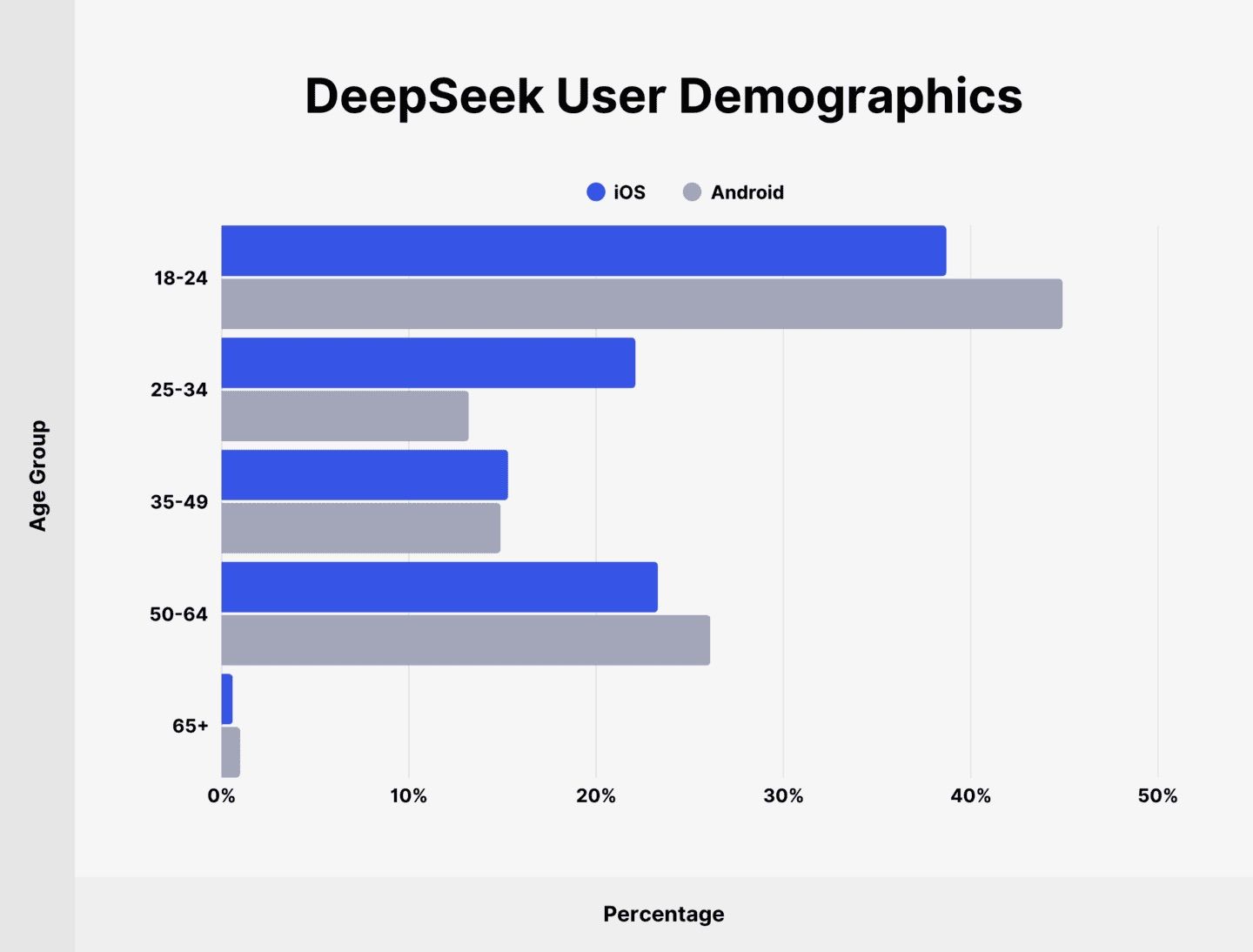
DeepSeek’s audience is best segmented by need state, not age or gender. First are value-sensitive heavy users, especially students and researchers, who do document work all day and respond strongly to low or zero cost. Second are developers and technical users who care about speed, reliability, and APIs, and who spread tools through teams and communities. Third are content and knowledge workers who need fast drafting, editing, and summarization without a learning curve.
One competitive reality is easy to miss if you only compare sticker prices. Many target users already access premium competitors through shared or bundled arrangements, team seats, workplace access, or “group-split subscriptions” payments, which pushes their effective out-of-pocket cost down. DeepSeek often competes against that discounted reality, not the headline subscription price. This changes what “value” means: convenience, speed, workflow fit, and trust carry more weight than a few dollars saved.
Value Proposition, Brand Meaning, and Content Boundaries
DeepSeek’s value proposition is straightforward: strong capability with minimal financial friction. In brand terms, the functional promise is productivity, and the emotional promise is dependability. People adopt an assistant when it feels like a stable work partner, not a flashy demo.
There is a brand liability tied to content boundaries. DeepSeek tends to refuse political or sensitive questions outright, rather than responding with neutral framing or multi-perspective context. This pattern shows up across many AI products, but some evaluations and media commentary described it as especially pronounced for DeepSeek on China-adjacent sensitive topics. That matters outside China, because some users interpret repeated refusals as opacity rather than safety.
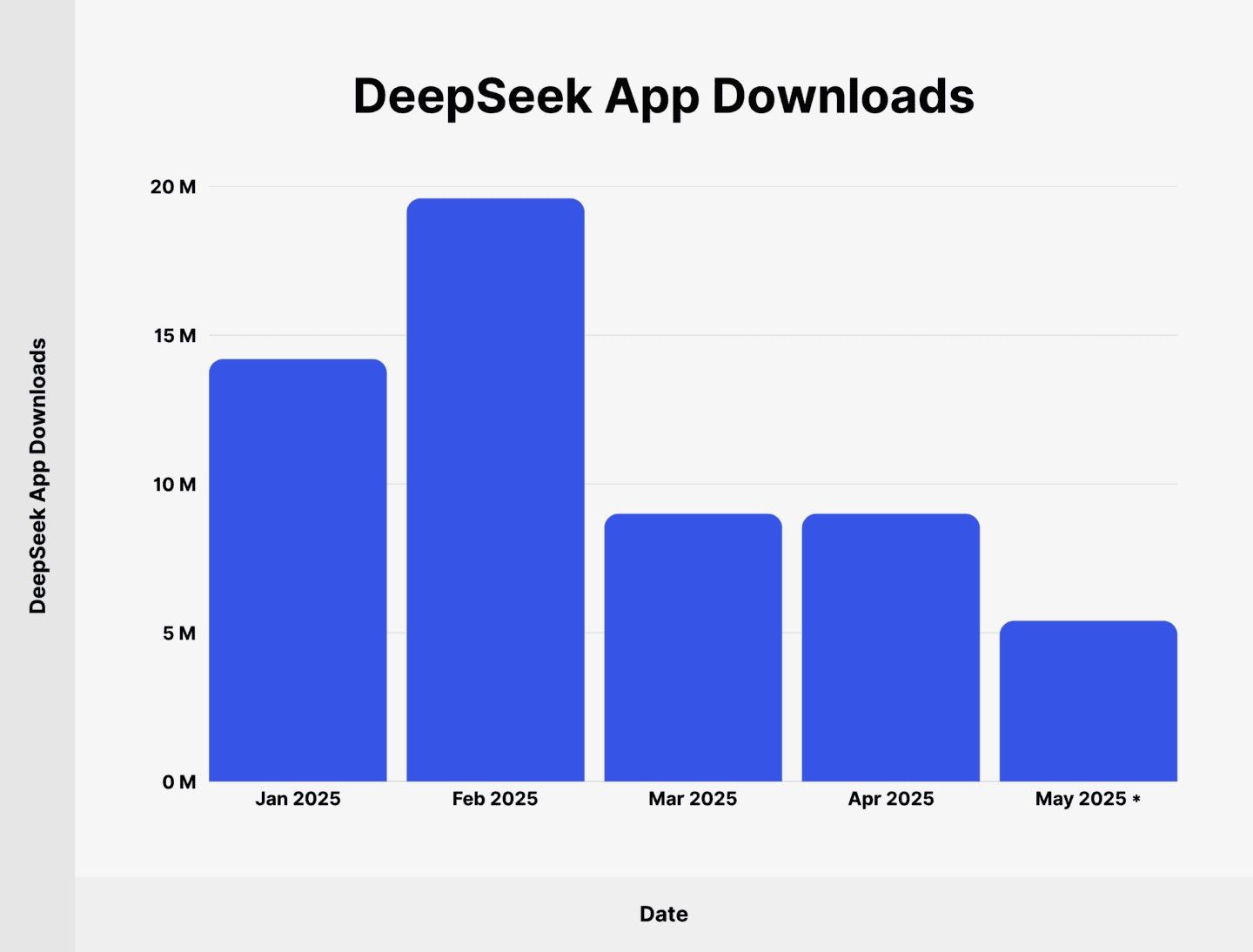
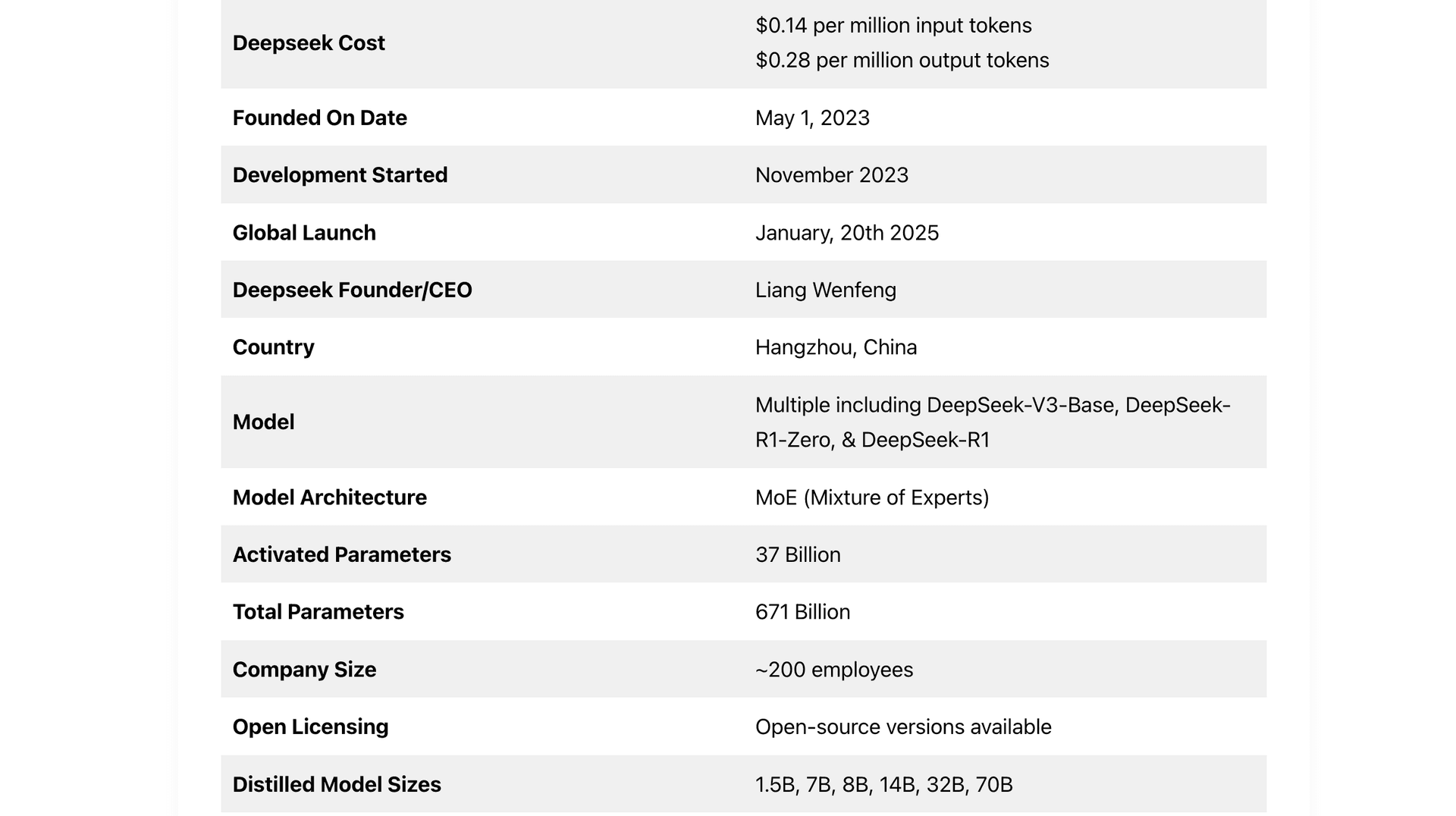
DeepSeek also carries a second narrative layer: efficiency. Coverage frequently frames DeepSeek as achieving strong reasoning performance with lower compute intensity relative to some competitors, a storyline that helped it break out quickly in early 2025. At the same time, cost claims in the public arena often mix apples and oranges. Some analyses argue the “headline cost” numbers floating online do not represent full-stack development and infrastructure costs. From a credibility standpoint, DeepSeek wins long-term by being precise about definitions, not by chasing a single viral number.
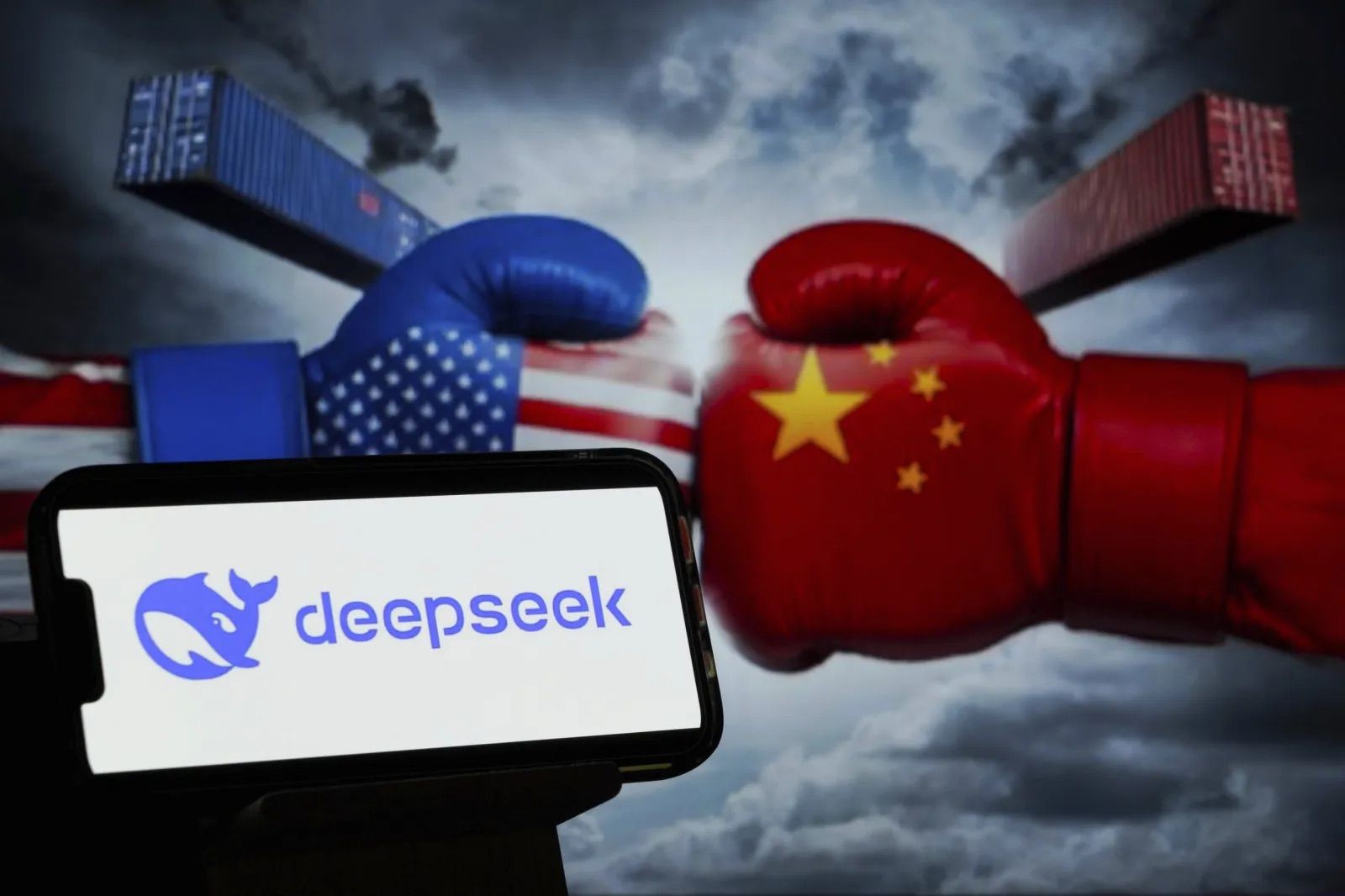
Trump calls China's DeepSeek AI a "wake-up call"
Distribution, Media Framing, and Cross-Border Narrative Dynamics
DeepSeek’s growth engine is product-led distribution plus credibility transfer. The owned touchpoints (web, mobile, API) reduce trial friction. The earned touchpoints do the heavy lifting on trust, especially among technical audiences.
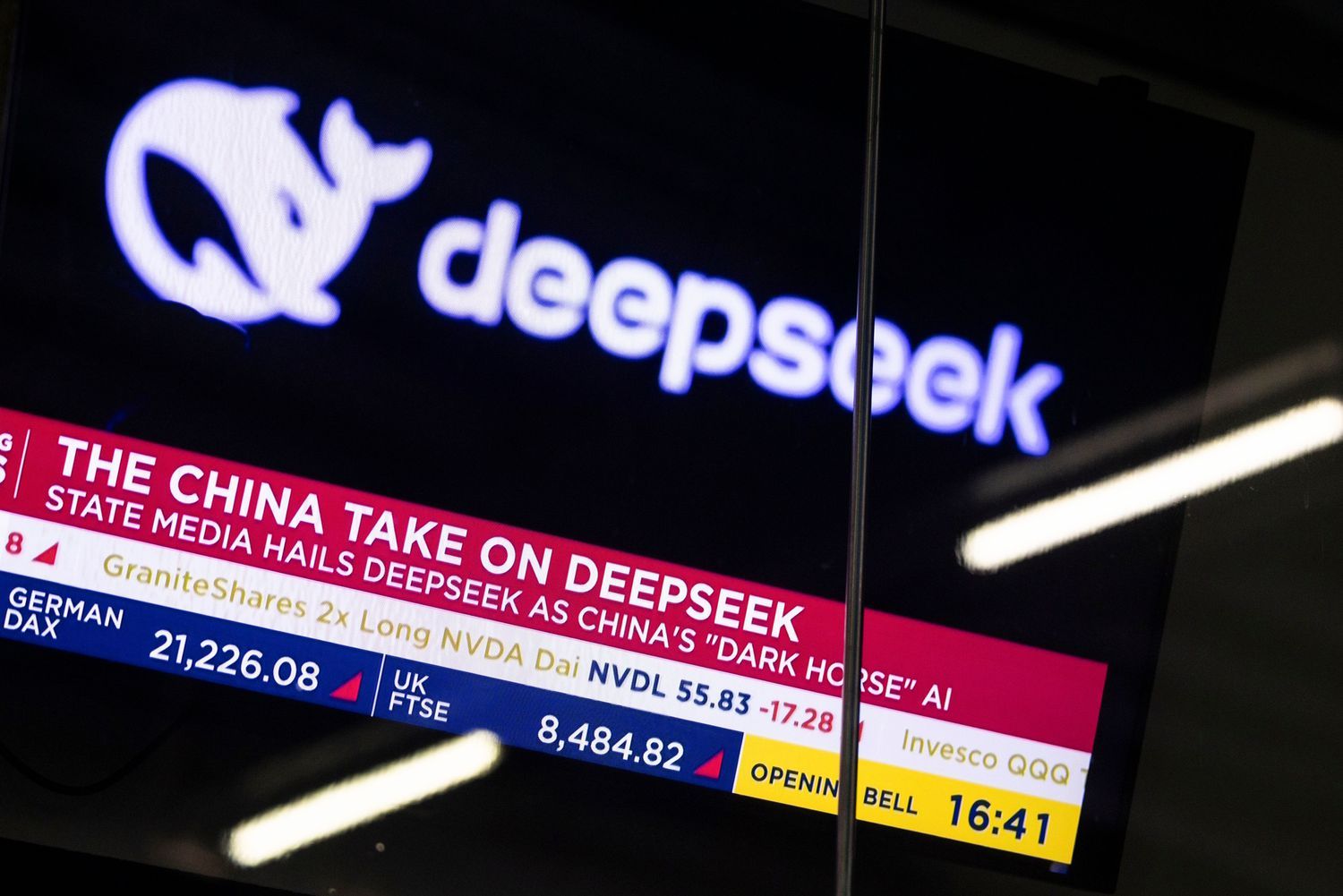
A big part of DeepSeek’s early momentum followed a familiar pattern in the developer world: respected voices publish detailed evaluations, the community amplifies, and the story turns into “trusted through other people I trust.” The Wall Street Journal’s coverage comparing DeepSeek with OpenAI’s models helped push that narrative beyond technical circles into mainstream business conversation.
Mainstream phrasing then acts like a megaphone. A BBC report uses a classic news peg, it opens on a high-salience political moment, “US President Donald Trump had been in office scarcely a week when a new Chinese artificial intelligence (AI) app called DeepSeek jolted Silicon Valley.” Trump’s name works like a built-in hook, it signals stakes, conflict, and national competition, so a technical model story stops living only in tech circles and starts circulating through mainstream news feeds and office chatter.
Academic and institutional framing adds a different kind of legitimacy. Harvard Law Today ran a piece titled “DeepSeek, ChatGPT, and the global fight for technological supremacy,” which positions DeepSeek as part of a wider technology and legal contest, not merely another chatbot launch.
Then comes the “story boomerang” effect inside China. Overseas headlines get repackaged for domestic audiences as proof of Chinese technological strength, which triggers national pride and speeds adoption. Founder storytelling, quant-trading origin myths, late-night engineering anecdotes, and campus symbolism help translate a technical product into a mass-market narrative. User co-creation extends the tail: culturally specific uses like I Ching-style interpretation content become high-engagement UGC, which can be repurposed through creator and media ecosystems. (These are qualitative marketing dynamics, not verified single-source facts, but they match the observed pattern of how tech narratives travel in China during breakout moments.)
From an organizational lens, DeepSeek reads as engineering-first. The product and marketing posture feels restrained compared with consumer internet playbooks, which implies decision logic optimized for system performance and long-term capability accumulation. That identity can be a brand asset if the company communicates clearly and builds predictable developer experiences.
Trust Architecture and Sustainable Monetization
DeepSeek should defend accessibility, while building trust and international portability.
First, separate “China advantage” from “global readiness” in the brand story. In China, lean into institutional fit: local deployment pathways, education workflows, and culturally fluent interactions. Outside China, treat localization as a real product investment, not a translation project. Build region-specific governance defaults and publish plain-English explanations of data handling and policy boundaries.
Second, fix the weakest trust moment: sensitive-topic refusals. Refusals are not the issue. Opacity is. DeepSeek should provide clearer refusal explanations, safer alternatives, and a structured “verifiable mode” for contentious topics, for example retrieval-based responses with citations when feasible, and explicit limits when not. This reduces the perception of evasiveness and gives users a usable path forward.
Third, monetize around the free core rather than shrinking it. Keep mass access intact, then grow paid value through organization packages: admin controls, auditability, compliance tooling, integration support, and reliability commitments. This aligns with the affordability narrative that attracts small and mid-sized organizations, the segment most likely to value controllable deployments over luxury features.
Fourth, benchmark against the user’s real alternative. If the real alternative is a shared premium account or workplace access, DeepSeek wins by making daily workflows smoother: document handling, long-context reliability, consistent coding help, and team collaboration features that reduce rework. The goal is lower friction per task, not louder hype.
Fifth, treat education adoption as a strategic wedge. The early-2025 wave of university courses and local deployments signals a pathway to infrastructure status. DeepSeek should package education deployments into repeatable kits for campuses and training programs, then use those institutional references to expand cautiously into overseas markets where compliance and security expectations are explicit.
Final thought: DeepSeek’s biggest risk is not “losing on IQ.” It’s losing on trust. People forgive a model that fails sometimes. They don’t forgive a tool that feels slippery when the question gets uncomfortable.